
From Passive Feeds to Participatory Streams
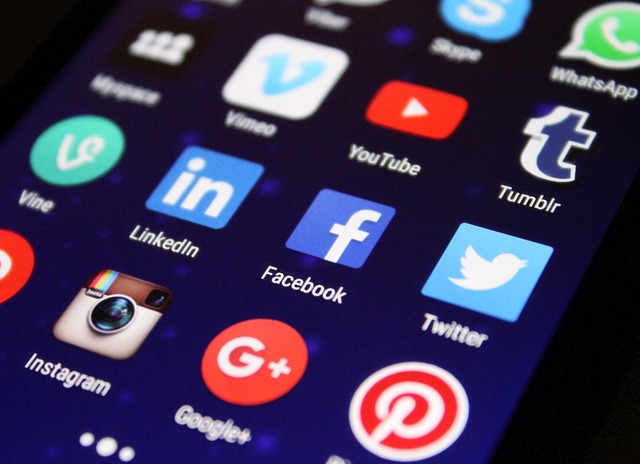
Think back to your earliest memory of social media impact: a static profile page, a handful of friends, and a sprinkle of “likes.” It felt revolutionary, but it was still a one-way street. Today, peer-to-peer media has flipped that street into a vibrant intersection where every user owns a lane. Instead of passively swallowing content, we swap, remix, and re-broadcast it in real time. We are no longer mere audiences; we are co-authors, co-curators, and co-producers. That subtle shift changes everything about how information moves and how power is distributed online.
The Human Pulse Behind the Posts
Why does this evolution resonate so deeply? Because peer-to-peer media reintroduces something that algorithmic feeds had diluted: the human pulse. Each shared clip, spontaneous livestream, or grassroots podcast carries the emotional fingerprints of its creator. When you pass that media on, you add your own inflection. The cumulative effect is an ever-expanding constellation of stories, shaped by real people rather than by corporate gatekeepers. It’s raw, it’s messy, and it feels alive—exactly what many of us were missing amid the polished perfection of legacy platforms.
Democratizing Influence
Traditional social media concentrated influence in the hands of mega-influencers or media conglomerates. Peer-to-peer media redistributes that influence horizontally. A clever meme from a teenager in Nairobi can spark a global conversation just as quickly as a slick promotional video from a Fortune 500 brand. The social media impact here is profound: communities that once felt invisible can now bend the narrative arc in their favor. The barriers to entry collapse, and authenticity, not ad spend, becomes the new currency.
The Technical Undercurrents
Behind this cultural tidal shift lies a suite of decentralized technologies—blockchain for provenance, mesh networks for resilience, and distributed storage for permanence. These tools fortify peer-to-peer media against censorship and single points of failure. If one node goes dark, another node lights up. This decentralization aligns perfectly with the ethos of social media at its most aspirational: open, borderless, and resistant to manipulation.
Challenges We Can’t Ignore
Of course, every breakthrough carries its own shadows. The same frictionless sharing that empowers marginalized voices can also accelerate misinformation. Without traditional gatekeepers, the task of verification shifts onto each of us. We must cultivate digital literacy and adopt community-driven fact-checking to safeguard the integrity of peer-to-peer media ecosystems. Additionally, decentralized models can be energy-intensive, raising questions about sustainability that we must address collectively.
How You Fit Into This New Landscape
You don’t need to code a blockchain or launch a viral podcast to participate. Start by valuing your unique perspective. Record that local protest, document your grandmother’s recipe, annotate a news article with context only you can provide. Then share it peer-to-peer. Notice how your content travels—through group chats, federated timelines, or encrypted channels—and how it picks up new layers of meaning along the way. Each interaction reaffirms that social media impact is not something done to you; it’s something done by you.
Envisioning the Next Chapter
Imagine opening an app and seeing not a curated timeline but a co-created mural, where every post is a brushstroke from someone you trust. Imagine compensating creators directly, with no middlemen siphoning value. Imagine crisis zones where mesh networks keep information flowing even when traditional infrastructure fails. Peer-to-peer media makes these scenarios not only possible but increasingly probable. It invites us to build a social media environment that mirrors our highest ideals: transparency, equity, and shared stewardship of information.